
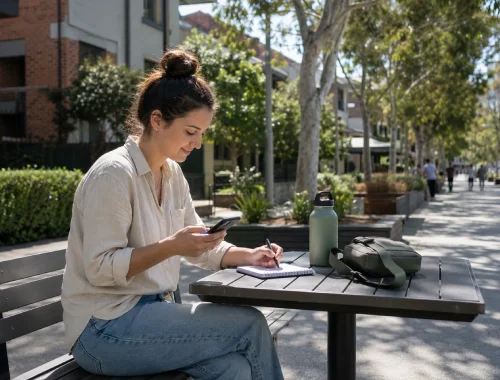
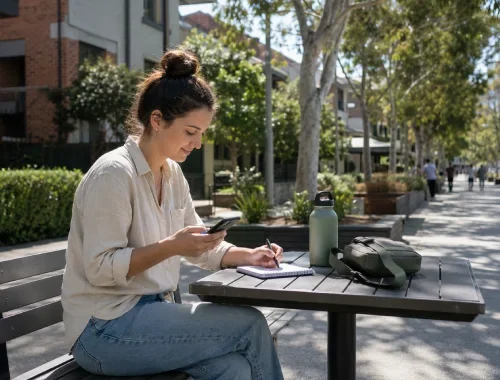
Australian Working Holiday Visa Subclass 417 pathway for eligible travellers combining an extended holiday with permitted work.

Working Holiday Visa (Subclass 417)

The Working Holiday Visa (Subclass 417) allows eligible young adults from participating countries and jurisdictions to have an extended holiday in Australia while undertaking short-term work to help fund their stay. 

Different requirements apply depending on your passport and whether you are seeking a first, second or third 417 visa. Visa Route Migration can provide professional assistance based on your circumstances and agreed service needs.

Clear, Personalised Migration Support

Why Choose Us for Working Holiday Visa (Subclass 417)

Visa Route Migration is led by Rose Khangura, a Registered Migration Agent with MARN 2619247. Rose has two years of experience in migration and visa services, including practical experience with visa files, documentation and application preparation. Her qualifications include a Graduate Diploma in Migration Law & Practice from Victoria University, completed in 2024.

Working Holiday applications can involve more than confirming an age or passport requirement. Previous visas, specified work, supporting evidence, current location and individual immigration circumstances can all become relevant. Visa Route Migration takes a personalised approach, with individual circumstances considered carefully and opportunities and limitations explained clearly.

Professional assistance can also be matched to the level of help you require. Depending on the matter and agreed engagement, this may include a visa-options assessment, document or application review, assistance with a particular application stage, broader application support or end-to-end assistance.

Clients can receive assistance from within Australia or overseas when the matter concerns Australian migration. Rose can communicate in English, Punjabi and Hindi, with consultations available through several methods depending on the circumstances and client preference.

Subclass 417 Pathways

Subclass 417 can involve a first, second or third Working Holiday visa. The requirements are not identical at each stage, particularly where previous Working Holiday visas and specified work become relevant. Current eligibility should always be considered against your individual circumstances.

First Working Holiday

Second Working Holiday

Third Working Holiday

First Working Holiday Visa

A first Working Holiday Visa is intended for eligible young adults who want an extended holiday in Australia with the ability to undertake short-term work during their stay. Subclass 417 applicants must hold a passport from a participating country or jurisdiction and meet the age limit that applies to that passport. Home Affairs currently applies an age range of 18 to 30 for some countries and 18 to 35 for others.

A first 417 visa generally provides a 12-month stay and allows work and limited study while the visa is in effect. Applicants also need to satisfy the other current requirements that apply to their circumstances. Visa Route Migration can assist with understanding the relevant requirements, preparing or reviewing documentation and the application process where included in the agreed professional scope.

Client-focused graphic representing personalised service, professional guidance and clear communication.
Happy Customers

Read Reviews...

Working Holiday Visa Questions

Who May Be Eligible for Subclass 417?

Subclass 417 is available to eligible passport holders within the applicable age range. Home Affairs currently sets the age at 18 to 30 for some participating countries and up to 35 for others. Applicants must also meet other requirements, and dependent children cannot accompany a Working Holiday visa holder during the stay.

How Long Does a 417 Visa Last?

A first, second or third Working Holiday Visa generally provides a 12-month stay, although when that period starts depends on the particular visa and your circumstances when it is granted. Your visa grant notification and VEVO provide the dates and conditions that apply to you.

Can I Work on a 417 Visa?

Yes. Working Holiday visa holders can work in any occupation or industry, but condition 8547 generally limits employment with the same employer to six months. Current exemptions apply in certain circumstances, and permission may be available in specified situations. Your individual visa conditions should be checked before making employment decisions.

Can I Study While on Subclass 417?

Working Holiday Maker visas are subject to condition 8548, which generally limits study or training in Australia to four months for each visa. The program is intended primarily for an extended holiday rather than long-term study, so someone whose main purpose is studying may need to investigate a different visa pathway.

Can I Apply for a Second 417 Visa?

A second Working Holiday visa may be available if you meet the relevant requirements. Home Affairs currently requires most applicants to have completed three months of specified Subclass 417 work. Different arrangements apply to eligible UK passport holders applying on or after 1 July 2024, who do not need to satisfy the specified work requirement.

Can I Apply for a Third 417 Visa?

A third Working Holiday visa may be available to someone who has previously held two Subclass 417 visas and meets the applicable requirements. Most applicants must have completed six months of specified Subclass 417 work. The specified work requirement does not apply to eligible UK passport holders applying under the current UK arrangements.

Can Family Members Join My Application?

No. Family members cannot be included in a Subclass 417 application, and a Working Holiday visa holder cannot be accompanied by dependent children while in Australia on this visa. If your family circumstances affect your plans, it may be useful to consider which Australian visa pathway is appropriate before applying.

What Documents Could I Need?

Required documents depend on the particular application. They can include identity documents and evidence relating to your circumstances and available funds. Second or third Working Holiday applicants may also need evidence of qualifying specified work where that requirement applies. Health, character or additional information may also be requested in relevant cases.

Is Subclass 417 the Same as Subclass 462?

No. The Working Holiday Visa (Subclass 417) and Work and Holiday Visa (Subclass 462) are separate Working Holiday Maker pathways with different eligible passport countries and some different requirements. If Subclass 417 does not correspond with your passport or circumstances, Subclass 462 may be an alternative worth investigating.

What Does the Free Initial Consultation Include?

The free initial consultation is intended to understand your circumstances, the general nature of your enquiry and what assistance you are seeking. General potential pathways and possible next steps may also be discussed where appropriate. It is not automatically a complete eligibility assessment or detailed migration strategy, which may require formal professional engagement.

Can I Get Help With Only Part of My Application?

Yes, depending on the matter and agreed scope. Visa Route Migration can provide limited-scope assistance as well as broader application support. Possible services include document or application review, assistance with a particular application stage, visa-options assessment and end-to-end assistance where agreed. Not every service is required or included for every client.

WhatsApp contact icon for convenient communication about Australian visa and migration enquiries.
Phone Number
0450 337 213
LinkedIn social media icon connecting visitors with the professional business profile.
Business Location
4 Handsome Ave, Clyde North VIC 3978, Australia

Discuss Your Subclass 417 Plans

If you are considering a first, second or third Working Holiday Visa and want to understand what may apply to your circumstances, complete the enquiry form to book a free initial consultation with Visa Route Migration. The initial discussion can help clarify the nature of your enquiry, whether the practice may be able to assist and what an appropriate next step could be. Detailed professional assessment may require formal engagement.

Second Working Holiday Visa

A second Working Holiday Visa can allow an eligible person who has already held a Subclass 417 visa to undertake another working holiday in Australia. This stage introduces additional considerations that do not necessarily arise with a first visa, including previous visa history and specified work requirements.

For most applicants, Home Affairs currently requires three months of specified Subclass 417 work for a second Working Holiday visa. The type and location of work can matter, so simply having worked in Australia does not automatically mean the specified work requirement has been met. Evidence of qualifying work may therefore become an important part of the application. Eligible UK passport holders applying under the arrangements in effect since 1 July 2024 are exempt from the specified work requirement.

If you are unsure how your previous visa, work history or supporting records affect a second 417 application, professional assessment can help identify the issues that need closer consideration. Visa Route Migration may assist with assessment, document review or broader application assistance depending on your circumstances and agreed engagement.

Third Working Holiday Visa

A third Working Holiday Visa is the final standard Subclass 417 Working Holiday stage for eligible applicants who have already held two 417 visas. Home Affairs currently requires most applicants to have completed six months of specified Subclass 417 work and to satisfy the other requirements applying to a third visa. There is no fourth Working Holiday Visa under the standard 417 pathway after three Working Holiday visas have been held.

UK passport holders have different specified work arrangements. Those applying for a second or third Subclass 417 visa using an eligible UK passport on or after 1 July 2024 do not have to satisfy the three-month or six-month specified work requirement. The other applicable Working Holiday requirements and visa conditions continue to apply.

Because a third application can involve previous visa history, work evidence and current immigration circumstances, it is important to consider the requirements that apply to the individual applicant rather than relying on the rules from an earlier Working Holiday application. Visa Route Migration can provide professional assistance at an agreed stage or across the broader application where appropriate.

First, Second and Third 417 Visas

Visa Stage When Relevant Key Focus
First Working Holiday Starting the Subclass 417 pathway Passport, age and general visa requirements
Second Working Holiday After one Subclass 417 visa Usually 3 months of specified 417 work
Third Working Holiday After two Subclass 417 visas Usually 6 months of specified 417 work
Eligible UK Applicants Second or third 417 application No specified work for eligible applications since 1 July 2024

Before Discussing Your 417 Application

Having the right details ready can help identify what needs closer assessment and what level of professional assistance may suit your circumstances.

Passport and Age

Have your current passport details ready and check the age limit that applies to your passport country.

Previous 417 History

For a second or third visa, note your previous Subclass 417 visas and relevant immigration history.

Specified Work Records

Where specified work applies, organise records covering the qualifying work periods you intend to rely on.

Current Visa Status

If you are in Australia, share your current visa position, especially if your existing visa is approaching expiry.

Work and Study Plans

Flag plans that may be affected by Working Holiday visa work or study conditions before making commitments.

Level of Assistance

Consider whether you need an application review, help with one stage, or broader application assistance.

What Happens After Your 417 Enquiry

The next step depends on your circumstances and the level of professional assistance you need. A Subclass 417 enquiry may progress through the following stages.

  1. Send Your Enquiry

    Provide the general nature of your Subclass 417 enquiry and what you are seeking help with.

  2. Discuss Your Circumstances

    Your circumstances, goals, concerns and relevant immigration history can be discussed.

  3. Clarify Possible Next Steps

    General requirements and possible next steps may be explained where appropriate to your situation.

  4. Identify Further Assessment

    A detailed eligibility or visa-options assessment may require formal professional engagement.

  5. Agree the Scope

    If you proceed, the professional scope is agreed according to your matter, circumstances and needs.

  6. Receive Agreed Assistance

    Support may include document or application review, help with a particular stage, or broader application assistance.

The exact sequence and level of assistance are not identical for every matter and depend on the professional engagement agreed with you.

Not Sure 417 Is Your Pathway?

This service relates specifically to the Working Holiday Visa (Subclass 417). If you are still determining which Working Holiday Maker subclass applies to your circumstances, use the options below to continue in the right direction.

Compare Working Holiday Options

If you are unsure whether Subclass 417 or Subclass 462 is the relevant pathway, review the Working Holiday Visas overview before focusing on an individual subclass.

Compare Working Holiday Visas

Looking for Subclass 462?

The Work and Holiday Visa (Subclass 462) is a separate Working Holiday Maker pathway with its own eligibility and application requirements.

Explore Work and Holiday Visa 462

General website information cannot confirm individual visa eligibility. Where your circumstances require detailed assessment, formal professional engagement may be appropriate.