
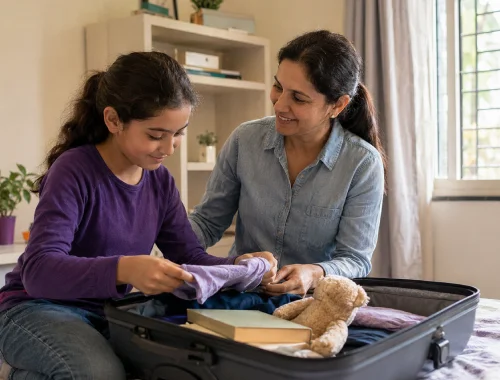
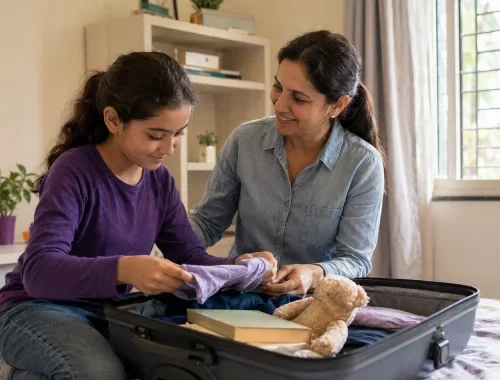
Australian Child Visa Subclass 101 pathway for eligible children seeking to join family in Australia.

Child Visa (Subclass 101)

Child Visas (Subclasses 101 and 802) are permanent family visa pathways for eligible dependent children of Australian citizens, eligible New Zealand citizens or Australian permanent visa holders. 

Subclass 101 applies where the child is outside Australia, while subclass 802 is the related pathway for a child in Australia. Visa Route Migration provides professional assistance for families considering these pathways, with the appropriate subclass and requirements depending on the child’s circumstances.

Careful Family Visa Guidance

Why Choose Us for Child Visas (Subclasses 101 & 802)

Visa Route Migration is led by Registered Migration Agent Rose Khangura, MARN 2619247. Rose holds a Graduate Diploma in Migration Law & Practice from Victoria University, completed in 2024, and has two years of experience in migration and visa services, including visa files, documentation and application preparation.

Child Visa matters can involve more than confirming where the child is located. Dependency, age, relationship status, sponsorship, parental responsibility and the family’s individual circumstances can all matter. Visa Route Migration takes a personalised approach, with clear explanations of relevant requirements, practical considerations, opportunities and limitations rather than treating every family situation in the same way.

Professional assistance can be matched to the help required. Depending on the circumstances and agreed engagement, this may include professional migration advice, visa-options assessment, document or application review, assistance with a particular application stage, or broader application support.

Visa Route Migration can assist people throughout Australia and clients overseas where their matter concerns Australian migration. This can be particularly practical for Subclass 101 matters where a child is outside Australia and family members may be dealing with the application from different locations.

Child Visa Pathways

The key distinction between these closely related permanent Child Visa pathways is where the child is located when applying. Subclass 101 applies to a child outside Australia, while Subclass 802 is for a child in Australia.

Subclass 101

Subclass 802

Child Visa Subclass 101

The Child Visa (Subclass 101) is a permanent visa for an eligible dependent child who is outside Australia and wishes to move to Australia to live with their parent. The child must be outside Australia when the application is made. The relevant parent must be an Australian citizen, eligible New Zealand citizen or Australian permanent visa holder.

Age and dependency are important. A child may fall within the pathway if they are under 18, aged over 18 but under 25 and meet the full-time study and financial-dependency requirements, or are over 18 with a disability that prevents full-time work. Relationship-status, sponsorship, health and character requirements can also apply. For children under 18, parental consent or other evidence concerning legal responsibility for where the child may live can be particularly important.

Families should also check whether citizenship by descent could be relevant where the child was born outside Australia and a parent was an Australian citizen at the time of birth. Where Subclass 101 is the appropriate pathway, Visa Route Migration may assist with professional advice, assessment, supporting documentation, application review or broader application assistance according to the circumstances and agreed scope of engagement.

Client-focused graphic representing personalised service, professional guidance and clear communication.
Happy Customers

Read Reviews...

Child Visa Questions Answered

What Is the Difference Between Subclasses 101 and 802?

Both are permanent Child Visa pathways. Subclass 101 is for an eligible child who is outside Australia when the application is made. Subclass 802 is the related pathway for a child applying in Australia. The correct subclass therefore depends partly on the child's location as well as their broader eligibility circumstances.

Who May Qualify for a Child Visa?

The child generally needs to be dependent on a parent who is an Australian citizen, eligible New Zealand citizen or Australian permanent visa holder. Age, dependency and relationship-status requirements also apply, and circumstances involving adopted children or stepchildren can have additional rules. Eligibility should be considered against the current requirements and the child's individual circumstances.

Who Can Sponsor the Child?

Home Affairs requires an eligible sponsor. For the Child Visa pathway, sponsorship may be provided by an eligible parent or, in relevant circumstances, the parent's spouse or de facto partner. The sponsorship must be approved before the visa can be granted, and additional child-protection requirements can affect sponsorship in some circumstances.

Can a Child Over 18 Apply?

Potentially. Current Child Visa requirements provide for certain applicants aged over 18 and under 25 who are full-time students and financially dependent on their parent. There is also provision for applicants over 18 whose disability prevents them from working full time. The evidence and exact circumstances need careful consideration.

Does the Child Need to Be Single?

Yes. Home Affairs states that a Child Visa applicant must meet relationship-status requirements. For Subclass 101, the child cannot be or previously have been married, engaged to be married or in a de facto relationship. Age and dependency requirements must also be satisfied.

What Consent Is Needed for Children Under 18?

Where another person has a legal right to decide where a child lives, Home Affairs may require their consent or other evidence establishing the legal basis for the child's migration. Depending on the circumstances, this may involve a consent form, statutory declaration, court order or other parental-responsibility evidence.

Should We Check Citizenship by Descent First?

Yes, where relevant. Home Affairs notes that a child born outside Australia may be able to apply for Australian citizenship by descent instead of a visa if a parent was an Australian citizen when the child was born. Families in this situation should check the citizenship pathway before assuming a Child Visa is necessary.

Can Siblings Use the Same Child Visa Application?

Home Affairs' current sponsorship form states that siblings wishing to migrate together need separate applications and separate sponsorships. Families with more than one child should therefore consider the requirements and documentation for each child rather than assuming one Child Visa application will cover all siblings.

How Are Child Visa Applications Lodged?

Home Affairs currently requires Child Visa applications to be made using paper application forms. Since 23 July 2025, applicants for specified Child Visa subclasses, including 101 and 802, can import eligible paper applications into ImmiAccount for certain subsequent online services. The current lodgement instructions should always be checked before submitting an application.

What Documents May Be Required?

The documents depend on the child's circumstances. Relevant evidence can include identity and relationship documents, information supporting dependency, sponsorship documents, parental-responsibility or consent evidence for children under 18, and health or character information where required. Visa Route Migration can assist with documentation or application review where this forms part of the agreed professional engagement.

Is Subclass 445 the Same Pathway?

No. Subclass 445 is a temporary Dependent Child Visa used in a different situation, generally while a parent's permanent Partner Visa application is being processed. Subclasses 101 and 802 are permanent Child Visa pathways. The separate purpose of Subclass 445 means families should not assume it is interchangeable with 101 or 802.

How Long Does a Child Visa Take?

Processing times can change and depend on individual applications. Home Affairs directs applicants to its visa processing time guide for an indication based on recently decided applications and states that the figures are a guide rather than a timeframe for a particular case. Visa Route Migration does not guarantee processing times or visa outcomes.

WhatsApp contact icon for convenient communication about Australian visa and migration enquiries.
Phone Number
0450 337 213
LinkedIn social media icon connecting visitors with the professional business profile.
Business Location
4 Handsome Ave, Clyde North VIC 3978, Australia

Discuss Your Child Visa

If you are considering a Child Visa for a son or daughter in or outside Australia, complete the enquiry form to arrange a free initial consultation with Visa Route Migration. The initial discussion can help clarify your circumstances, what you are seeking assistance with and possible next steps. Where detailed eligibility advice or a formal assessment is required, this may form part of a separate professional engagement.

Child Visa Subclass 802

The Child Visa (Subclass 802) is the related permanent pathway for an eligible child who is in Australia. Home Affairs’ Child Visa application form distinguishes Subclass 802 as the in-Australia Child Visa, while Subclass 101 applies to applicants outside Australia. The core family relationship, dependency and sponsorship requirements still need to be considered carefully for the individual child.

Because Subclass 802 is an onshore pathway, the child’s current circumstances in Australia should be reviewed before an application is prepared. Age, dependency, relationship status, sponsorship, health, character and any relevant parental-responsibility issues can affect the matter. A child’s immigration history may also require closer professional consideration rather than relying on the general requirements alone.

Visa Route Migration can discuss the family’s circumstances and, where formally engaged, provide an agreed level of assistance ranging from review of documents or an application stage to broader visa application support. The appropriate professional scope depends on the child’s situation, the family’s needs and what is agreed before the work proceeds.

Child Visa Pathway Guide

Quick guide to situations relevant to Child Visa Subclasses 101 and 802.
Situation What to Explore
Child is outside Australia Child Visa Subclass 101
Child is in Australia Child Visa Subclass 802
Permanent Child Visa needed 101 or 802, depending on location
Child is over 18 Age and dependency requirements need review
Child is under 18 Parental responsibility or consent may be relevant
Parent is pursuing a permanent Partner Visa Subclass 445 may be a different pathway
Application help is required Assessment, review or broader assistance may be available
Helpful Before You Proceed

Important Things to Prepare for a Child Visa Matter

These practical checks can help you identify information that may need attention before moving forward with a Child Visa Subclass 101 matter.

01

Have the Child’s Immigration History Ready

Be ready to explain where the child is currently located and any relevant immigration history. These circumstances may affect what needs closer consideration before proceeding.

02

Clarify the Family Relationship

Have clear information about the child’s relationship to the relevant parent and proposed sponsor. Adopted-child and stepchild circumstances can involve additional requirements that need individual consideration.

03

Older Children May Need Dependency Evidence

For applicants over 18, age alone does not determine the position. Full-time study, financial dependency or circumstances involving a disability may need to be considered depending on the child’s situation.

04

Address Parental Responsibility Early

For a child under 18, identify anyone else who has a legal right to decide where the child lives. Consent or other parental-responsibility evidence may need to be addressed before the application is finalised.

05

Keep Information Complete and Up to Date

Provide complete and accurate information, review documents carefully and supply requested evidence within relevant timeframes. Any important change in circumstances should also be raised promptly.

06

Understand What Happens at the First Consultation

The free initial consultation is used to understand the Child Visa enquiry, discuss the family’s circumstances and identify possible next steps. Detailed eligibility advice may require a formal professional engagement.

What Happens Next

What Happens After You Enquire About a Child Visa Subclass 101

A Child Visa matter does not automatically follow the same path for every family. The first steps are used to understand the child’s circumstances, identify what needs closer consideration and determine the level of professional assistance that may be appropriate.

  1. Initial discussion

    Start With the Child Visa Enquiry

    The free initial consultation is used to understand the general nature of the Child Visa enquiry, your family’s circumstances and what you are seeking assistance with.

    It is not automatically a complete eligibility assessment or detailed migration strategy.

  2. Circumstances review

    Explain the Child’s Situation

    Relevant circumstances can be discussed, including where the child is located, immigration history where relevant, the family’s goals and any concerns that may affect the matter.

  3. Next-step check

    Identify What Needs Further Assessment

    Supporting information or documents may be requested where appropriate. The discussion can then help determine whether further professional assessment or another form of assistance is needed before proceeding.

  4. Professional scope

    Agree on the Assistance You Need

    If you proceed, the professional scope is agreed according to the matter and your needs. Assistance may be limited to a particular review or stage, or may involve broader Child Visa application assistance where agreed.

  5. Agreed assistance

    Move Forward With the Agreed Professional Work

    Depending on the agreed engagement, professional assistance may include assessment, preparing or reviewing documentation, application preparation, organising supporting evidence, lodgement or assistance with relevant requests for further information.